Best Books
14 Books Like Harry Potter, by Age and Vibe
Quick answer
Read Percy Jackson and the Olympians by Rick Riordan next. It is the closest match for most readers: a 12-year-old outsider discovers he is a demigod, gets swept into a found-family group at a magical camp, and faces escalating stakes across five fast, funny books. Ages 8–12.
The 3-book shortlist: Percy Jackson (closest tone match, ages 8–12), The School for Good and Evil by Soman Chainani (closest structure — an actual magic school that sorts students, ages 10–14) and His Dark Materials by Philip Pullman (for readers ready to go older and darker, ages 12+).
As an Amazon Associate, we earn from qualifying purchases.
Harry Potter works on a few different levels at once: a magic-school setting with real rules, a found-family group of friends, mythology woven through everything, and stakes that grow book by book. Very few single series match all of that, so the list below is grouped by which part hooked you. Every pick says what it shares with Harry Potter, the publisher's age range, and the series status as of October 2026.
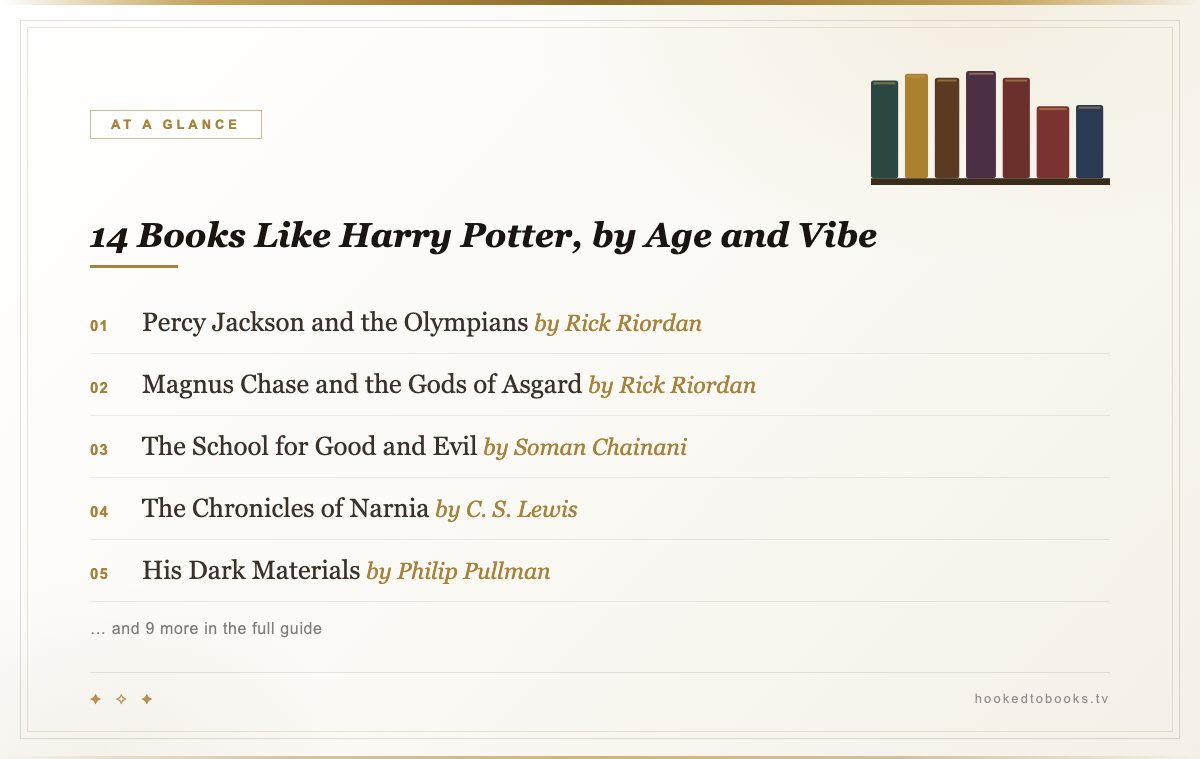
All 14 picks at a glance
| # | Book | Best if you loved | Ages | Series status |
|---|---|---|---|---|
| 1 | Percy Jackson and the Olympians Rick Riordan | Humor + found family | 8–12 | Complete (5) |
| 2 | Magnus Chase and the Gods of Asgard Rick Riordan | More mythology, Norse this time | 8–12 | Complete (3) |
| 3 | The School for Good and Evil Soman Chainani | An actual magic school | 10–14 | Complete (6) + prequels |
| 4 | The Chronicles of Narnia C. S. Lewis | Stepping into another world | 8–12 | Complete (7) |
| 5 | His Dark Materials Philip Pullman | Darker, older, bigger ideas | 12+ | Complete (3 + Book of Dust trilogy) |
| 6 | The Land of Stories Chris Colfer | Fairy tales made real | 8–12 | Complete (6) |
| 7 | Nevermoor Jessica Townsend | A wondrous hidden city | 8–12 | Ongoing (4) |
| 8 | Inkheart Cornelia Funke | Books with real power | 9–12 | Complete (3) |
| 9 | Artemis Fowl Eoin Colfer | A clever, morally gray hero | 9–12 | Complete (8) |
| 10 | Keeper of the Lost Cities Shannon Messenger | Found family + a hidden identity | 8–12 | Ongoing (9 main) |
| 11 | A Series of Unfortunate Events Lemony Snicket | Gothic humor, orphaned heroes | 8–12 | Complete (13) |
| 12 | The Chronicles of Prydain Lloyd Alexander | A classic hero's-journey quest | 8–12 | Complete (5) |
| 13 | The Inheritance Cycle Christopher Paolini | Bigger, older epic fantasy | 12+ | Complete (4) + spinoffs |
| 14 | Serafina Robert Beatty | Gothic mystery, a hidden world | 8–12 | Complete (4) |
How We Chose
We started from the series booksellers and librarians recommend most often to kids finishing Harry Potter, then checked every book count, year and age range against the publisher's own listing or Open Library as of October 2026. Age ranges reflect the publisher's stated category, not a strict reading level — a confident 7-year-old can handle books listed for 8–12, and plenty of adults enjoy all of these.
If you loved the mythology and the humor
1. Percy Jackson and the Olympians by Rick Riordan
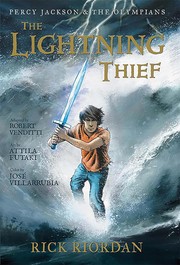
Percy Jackson discovers he is a demigod, son of Poseidon, and is sent to Camp Half-Blood, where Greek mythology runs the plot instead of sitting in the background.
- What it shares with Harry Potter: an ordinary-seeming kid pulled into a hidden magical world, a tight trio of friends, a summer-camp setting that functions like a school, and stakes that escalate book by book toward a prophecy.
- How it differs: Greek mythology instead of invented magic, first-person narration, and a faster, jokier pace throughout.
- Ages: 8–12 (publisher category).
- Series status: complete 5-book main series (2005–2009); Riordan then continued the universe with The Heroes of Olympus and The Trials of Apollo. Full order: Percy Jackson books in order.
- Where to start: The Lightning Thief (2005).
2. Magnus Chase and the Gods of Asgard by Rick Riordan
A homeless teen in Boston discovers he is the son of a Norse god, dies, and wakes up in a Viking afterlife hotel preparing for Ragnarok.
- What it shares with Harry Potter: the same found-family-at-a-magical-institution shape as Percy Jackson, a self-deprecating narrator, and mythology that drives the plot rather than decorating it.
- How it differs: Norse myth instead of Greek, a cast that includes a genderfluid Muslim Valkyrie (Samirah) and a deaf elf (Hearthstone), and it shares its world with Percy Jackson without requiring you to read that series first.
- Ages: 8–12.
- Series status: complete trilogy (2015–2017).
- Where to start: The Sword of Summer (2015).
If you loved the magic school itself
3. The School for Good and Evil by Soman Chainani
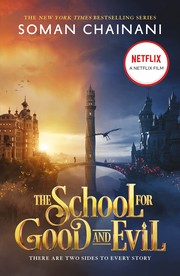
Two best friends are kidnapped into a fairy-tale academy that trains future heroes and villains — except the school sorts them the “wrong” way around.
- What it shares with Harry Potter: the actual structure of a boarding school for magic, a sorting mechanism that drives the plot, rival houses, and a slow-burn mystery about who really belongs where.
- How it differs: built entirely from fairy-tale tropes rather than invented wizarding lore, and the tone leans more satirical about good-versus-evil as a concept.
- Ages: 10–14.
- Series status: complete 6-book original series (2013–2020), plus two prequel novels, Rise of the School for Good and Evil (2022) and Fall of the School for Good and Evil (2023).
- Where to start: The School for Good and Evil (2013).
If you loved stepping into another world
4. The Chronicles of Narnia by C. S. Lewis
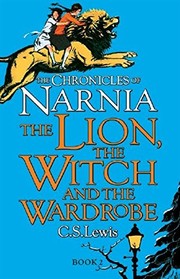
Four siblings step through a wardrobe into a snow-bound kingdom ruled by a witch, and a talking lion named Aslan sets things right.
- What it shares with Harry Potter: ordinary children who discover a hidden magical world, talking animals and mythic creatures, and a classic good-versus-evil battle with real stakes.
- How it differs: shorter, gentler books with Christian allegory running underneath, and each book can mostly stand alone.
- Ages: 8–12.
- Series status: complete, 7 books (1950–1956). Publication order starts with The Lion, the Witch and the Wardrobe; Lewis's internal chronological order starts with The Magician's Nephew — both are commonly read, and either works.
- Where to start: The Lion, the Witch and the Wardrobe (1950).
5. His Dark Materials by Philip Pullman
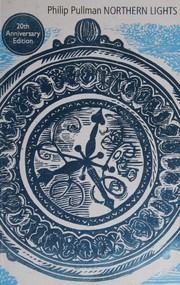
Lyra Belacqua, raised at Oxford among scholars, follows a trail of kidnapped children into the Arctic and uncovers a conspiracy that touches parallel worlds, souls, and the nature of a controlling Church-like authority.
- What it shares with Harry Potter: a British boarding-school-adjacent start, invented magical physics with real rules (daemons, dust, the alethiometer), and a story that gets morally and politically complicated as it goes.
- How it differs: more philosophical and considerably darker by the end, aimed at older readers, and openly skeptical of organized religion in a way Harry Potter never is.
- Ages: 12+.
- Series status: the original trilogy is complete (1995–2000), and the companion Book of Dust trilogy is also now complete: La Belle Sauvage (2017), The Secret Commonwealth (2019) and The Rose Field (2025).
- Where to start: Northern Lights (1995), published in the US as The Golden Compass.
6. The Land of Stories by Chris Colfer
Twins Alex and Conner fall through a magical book into a world where every fairy tale actually happened, and the characters have kept living their lives after “happily ever after.”
- What it shares with Harry Potter: a hidden magical world layered on top of familiar stories, siblings who balance each other (one bookish, one brave), and a series-long quest structure.
- How it differs: built from classic fairy tales rather than original wizarding lore, and it is lighter and more whimsical throughout.
- Ages: 8–12.
- Series status: complete, 6 books (2012–2017); Colfer later added a separate prequel trilogy, A Tale of Magic (2019–2021).
- Where to start: The Wishing Spell (2012).
7. Nevermoor by Jessica Townsend
Morrigan Crow is cursed and expected to die on her eleventh birthday, until a mysterious man whisks her away to the magical city of Nevermoor and enters her in a deadly competition for a place in an elite society.
- What it shares with Harry Potter: a cursed, unwanted child who turns out to be special, a wondrous hidden city instead of a hidden school, trials that determine who belongs, and a mentor figure with his own secrets.
- How it differs: the setting is a city with its own transit system and societies rather than a single school, and the humor is more whimsical and Dickensian.
- Ages: 8–12.
- Series status: ongoing, 4 books so far (2017, 2018, 2020, 2025); we found no confirmed total planned count as of October 2026.
- Where to start: Nevermoor: The Trials of Morrigan Crow (2017).
8. Inkheart by Cornelia Funke
Meggie's father can read characters out of books and into the real world — which is how a villain named Capricorn escaped a novel years ago, and why Meggie's own life is now in danger.
- What it shares with Harry Potter: a love of books built into the premise itself, a child protagonist with a hidden gift inherited from a parent, and a central villain who escalates the danger across the trilogy.
- How it differs: translated from German, more melancholic in tone, and the magic is about the power of storytelling rather than spellcasting.
- Ages: 9–12.
- Series status: complete trilogy (2003–2007).
- Where to start: Inkheart (2003).
If you loved a clever hero and a found family
9. Artemis Fowl by Eoin Colfer
A 12-year-old criminal mastermind from a long line of Irish crime lords sets out to steal fairy gold — and discovers the fairies have riot gear, fighter jets, and a very angry commander named Holly Short.
- What it shares with Harry Potter: a hidden magical society existing alongside the human one, inventive world-building rules, and a protagonist who starts morally gray and grows into someone worth rooting for.
- How it differs: Artemis starts as the closest thing to a villain-protagonist in this whole list, and the tone mixes heist-thriller plotting with sci-fi gadgets.
- Ages: 9–12.
- Series status: complete, 8 books (2001–2012).
- Where to start: Artemis Fowl (2001).
10. Keeper of the Lost Cities by Shannon Messenger
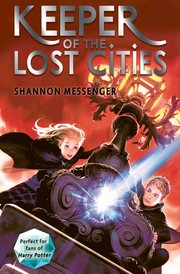
Twelve-year-old Sophie Foster discovers she is an elf who was raised among humans by mistake, and is brought into a hidden elvin world with its own schools, politics, and enemies.
- What it shares with Harry Potter: a human-raised child who learns she belongs to a hidden magical world, an elite school (Foxfire) with cliques and rivalries, and a slow-building mystery about her own origins.
- How it differs: a much longer ongoing series with a heavier focus on telepathy and politics, and a romance subplot that develops gradually across many books.
- Ages: 8–12.
- Series status: ongoing; 9 main novels confirmed as of our research, from Keeper of the Lost Cities (2012) through Stellarlune (2022), plus several novella-length companions.
- Where to start: Keeper of the Lost Cities (2012).
11. A Series of Unfortunate Events by Lemony Snicket
The Baudelaire orphans are shuffled between guardians while the sinister Count Olaf schemes to steal their inheritance, narrated by a storyteller who keeps warning you not to read on.
- What it shares with Harry Potter: orphaned child heroes, a wickedly funny narrative voice, a persistent villain who returns in disguise across the series, and a conspiracy (the mysterious V.F.D.) that deepens as it goes.
- How it differs: no magic at all — the danger is entirely human — and the humor is drier and more absurdist, with the narrator constantly breaking the fourth wall.
- Ages: 8–12.
- Series status: complete, 13 books (1999–2006).
- Where to start: The Bad Beginning (1999).
12. The Chronicles of Prydain by Lloyd Alexander
Taran, an assistant pig-keeper with no idea he is destined for anything, is swept into a struggle against the Horned King and discovers his own courage along the way.
- What it shares with Harry Potter: an underestimated young hero, a classic mentor figure, a loyal group of companions, and a quest structure drawn from older mythology (Welsh legend, here).
- How it differs: no school setting at all — this is a traveling quest fantasy — and the prose is simpler and the books shorter, closer to classic fairy tale than modern fantasy.
- Ages: 8–12.
- Series status: complete, 5 books (1964–1968).
- Where to start: The Book of Three (1964).
13. The Inheritance Cycle by Christopher Paolini
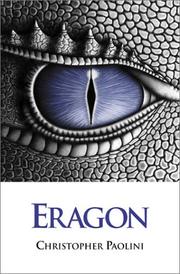
A farm boy named Eragon finds a dragon egg in the forest, and is swept into a rebellion against a tyrant king as the last Dragon Rider.
- What it shares with Harry Potter: an orphaned or parentless hero with a hidden destiny, a bonded magical companion, a mentor who holds back the full truth, and a series that grows darker and more political with each book.
- How it differs: full epic-fantasy scope with battles and invented languages rather than a school setting, and it skews toward older middle-grade and YA readers.
- Ages: 12+.
- Series status: the main 4-book cycle is complete (2003–2011). Paolini has since returned to the world with Murtagh (2023), a direct sequel, and has discussed further books.
- Where to start: Eragon (2003).
14. Serafina by Robert Beatty
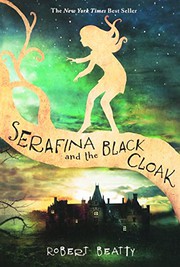
Serafina lives secretly in the basement of the real Biltmore Estate, and when children start disappearing, her hidden nature turns out to be exactly what is needed to stop it.
- What it shares with Harry Potter: a child who does not know the full truth about herself, a grand gothic setting with secrets in every corridor, and a mystery that unspools her own origin alongside the main plot.
- How it differs: set in the real, historical Biltmore Estate in North Carolina, with a more Southern-gothic, animal-transformation flavor of magic rather than wizarding-school lore.
- Ages: 8–12.
- Series status: complete quartet, 2015 to 2019.
- Where to start: Serafina and the Black Cloak (2015).
If you only read one from each group
- Mythology and humor: Percy Jackson and the Olympians.
- An actual magic school: The School for Good and Evil.
- Portal to another world: The Chronicles of Narnia (younger) or His Dark Materials (older).
- Clever hero, found family: Artemis Fowl.
Looking for grown-up fantasy instead? Our best fantasy books list and books like Fourth Wing guide pick up where these leave off. Browse every list on our best book lists hub.
FAQ
What should I read after Harry Potter?
Percy Jackson and the Olympians is the most common next step for 8-12 year olds: fast, funny mythology adventure with a similar found-family core. For readers ready to go darker and older, try His Dark Materials.
What book series is most similar to Harry Potter?
The School for Good and Evil is the closest in structure (a magic school that sorts students), while Percy Jackson is the closest in tone (humor, a chosen group of friends, escalating stakes across five books).
Are there books like Harry Potter for adults?
His Dark Materials and The Inheritance Cycle both work for older teens and adults who want more complexity. For a fully adult magic-school read, search our best fantasy books list.
What is the best magic school book series besides Harry Potter?
The School for Good and Evil, where new students are sorted into the School for Good or the School for Evil and the sorting itself is the twist.
What should a 7 or 8 year old read after Harry Potter?
The Chronicles of Narnia and Artemis Fowl both work well for younger readers moving on from Harry Potter, with shorter books and lighter stakes than the later Potter novels.
Fourteen series, four different reasons to love Harry Potter. Start with Percy Jackson for the tone, or Narnia if you want gentler stakes.
Want a free set of printable bookmarks?
Made for cozy readers working through a long series in order. Print at home, cut, and slip one into whatever you're reading tonight. They're free. Then browse all our reading-order guides.
Get the free bookmarks →As an Amazon Associate, we earn from qualifying purchases.